Designing for Neurodiversity: Creating Inclusive Workplaces and Learning Environments
At Avoor, we believe that great design should work for everyone. As conversations around inclusivity evolve, one area that deserves greater attention is neurodiversity – the natural variation in how people think, learn, and process the world around them.
Around 1 in 7 people in the UK are neurodivergent. This includes individuals with conditions such as autism, ADHD, dyslexia, dyspraxia, and others. For many, traditional workplaces and learning environments can create barriers – whether it’s sensory overload, a lack of quiet space, or furniture that doesn’t support different working styles.
The good news is that thoughtful furniture choices and spatial design can make a huge difference. By considering neurodiverse needs from the outset, organisations can create spaces that are not only more inclusive, but also more productive, comfortable, and collaborative for everyone.
Key Principles of Neurodiverse-Friendly Design
1. Sensory Smart Spaces
Noise, glare, and overstimulation can make environments overwhelming. Soft furnishings, acoustic panels, matte finishes, and adjustable lighting all help create calmer, more balanced spaces.
2. Furniture That Supports Choice
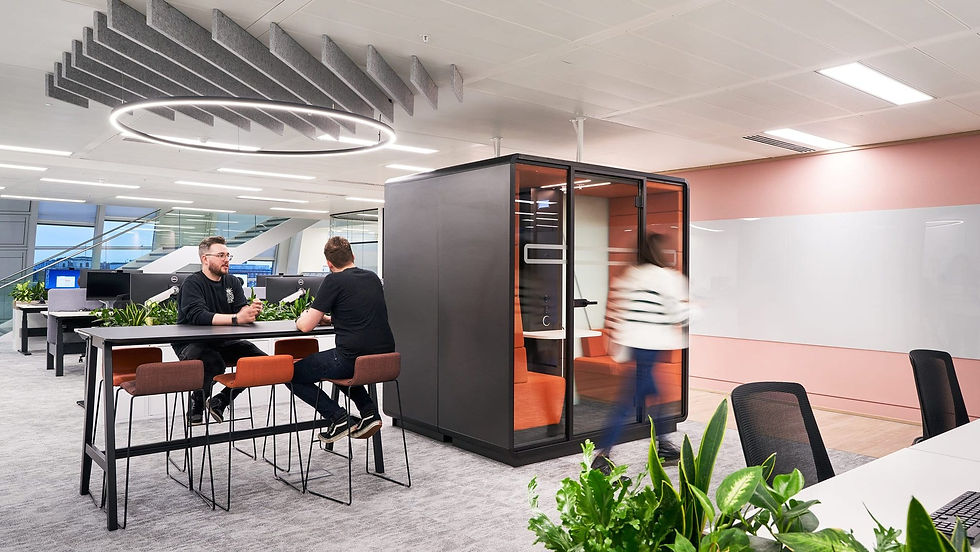
Not everyone thrives at a traditional desk. Adjustable sit-stand workstations, movement-friendly seating, high-back sofas, and private pods give people the flexibility to work in ways that suit them best.
3. Zoning for Different Needs
Clear separation of collaborative areas, quiet zones, and social spaces helps people feel comfortable and confident. Semi-enclosed furniture like high-back booths creates natural “nooks” without isolating individuals.
4. Flexibility and Autonomy
Modular furniture allows spaces to adapt quickly. Providing options for sitting, standing, perching, or lounging gives individuals a sense of control – something particularly important for neurodiverse users.
5. Clear Wayfinding
Cluttered layouts can increase anxiety. Using consistent layouts, colour cues, and visual anchors makes navigation easier and more intuitive.
Why This Matters
Designing with neurodiversity in mind isn’t about creating “special” furniture or isolated areas. It’s about choice, balance, and dignity. When people can control their environment and access spaces that fit their needs, everyone benefits.
For organisations, this means:
Higher productivity and engagement
Better collaboration and teamwork
Improved wellbeing and reduced stress
Demonstrating a real commitment to equity and inclusion
Avoor’s Approach
At Avoor, we embed inclusivity into every project we deliver. From workplace design to learning spaces, we ensure our furniture solutions support neurodiverse needs through:
Sensory-aware material choices
Flexible, modular furniture systems
Layouts that balance collaboration and quiet retreat
Spaces that feel safe, intuitive, and human-centred
Let’s Design Better, Together
If you’re exploring how to make your workplace or learning environment more inclusive, we’d love to help. Our team can advise on everything from furniture selection to full spatial planning, with neurodiverse support at the heart of the design process.
👉 Contact us to find out how we can support your next project.


